.jpg)
Published October 8, 2025
Arizona’s Desert Cities Are Booming Thanks to Real Estate Development

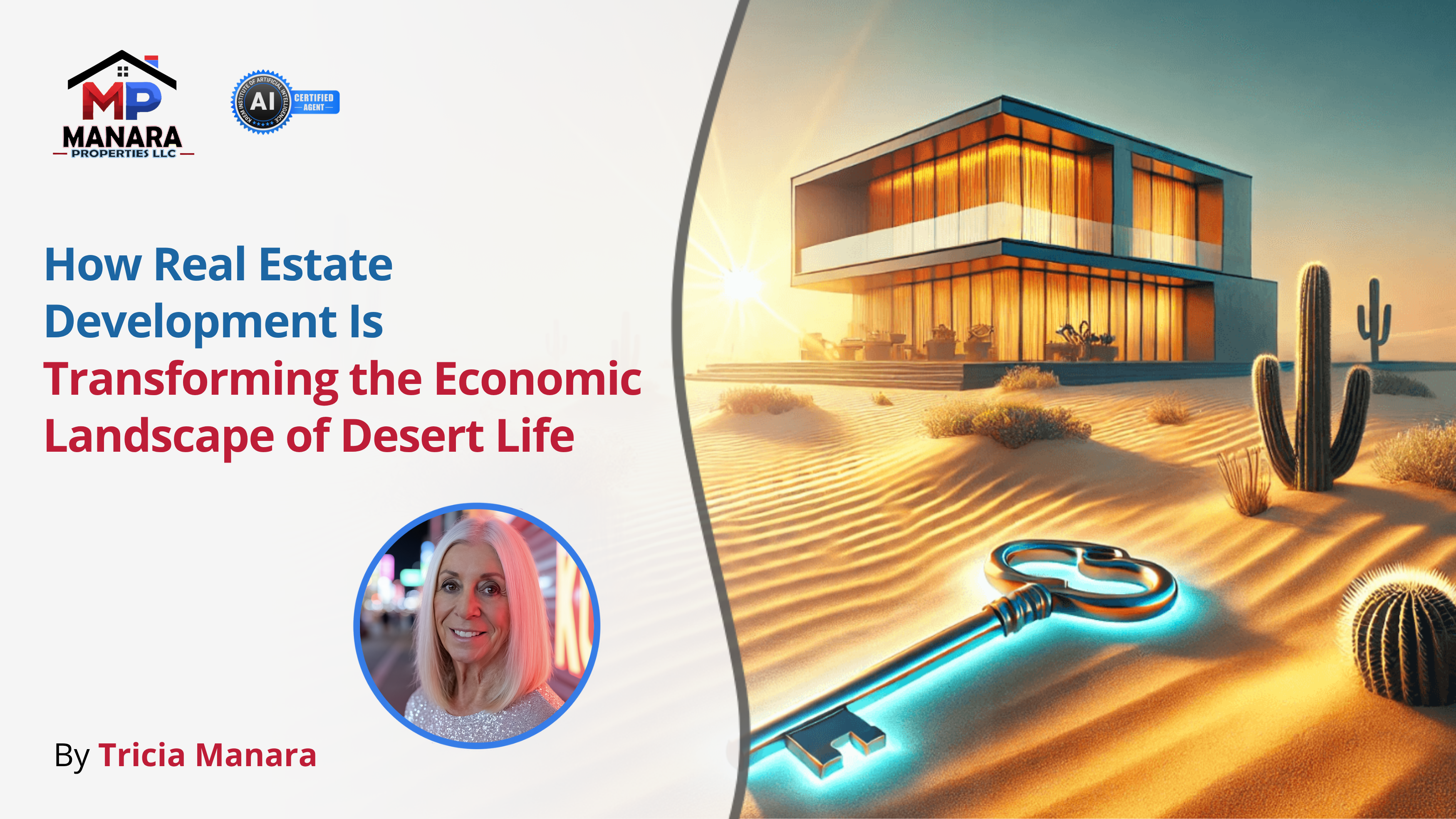
From Dust to Development — Arizona’s Desert Towns Are Booming
Not long ago, much of Arizona’s landscape was known for wide open skies, quiet desert highways, and small towns. But things are changing — and fast. Thanks to a surge in real estate development, desert communities are being transformed into thriving economic hubs.
From master-planned neighborhoods to commercial corridors, the growth of residential and mixed-use development is reshaping both the skyline and the local economy. Let’s explore how real estate is fueling the future of desert living in Arizona.
1. Residential Growth Is Fueling Local Economies
New housing developments are bringing more than just homes — they’re bringing:
Construction jobs
New businesses
Infrastructure investment
Areas like Queen Creek, Buckeye, and Maricopa have seen explosive growth in housing permits, with developers focusing on affordable single-family homes and senior living communities.
This kind of development attracts:
New residents from out of state
Remote workers seeking affordable living
Retirees looking for sunshine and simplicity
The result? More spending, more services, and more economic momentum for desert towns once considered “too far out.”
2. Commercial Real Estate Follows the Rooftops
With new neighborhoods come new needs — and that’s where commercial development thrives.
We’re seeing a rise in:
Retail centers and grocery stores
Medical offices and urgent care clinics
Co-working hubs and business parks
Restaurants, gyms, and service providers
Desert suburbs are no longer “bedroom communities.” They’re becoming self-sustaining micro-economies where people can live, work, and play — all within a few miles.
3. Infrastructure Investment Creates Long-Term Value
With real estate development comes the need for roads, water, energy, and connectivity. Many desert towns are investing in:
Widening major roadways
Expanding broadband internet access
Improving public transit options
Upgrading utilities to support higher density
These improvements not only make the area more livable, but also attract new business, industry, and tourism, which further boosts the local economy.
4. Mixed-Use Communities Are Redefining Desert Living
Developments like Eastmark in Mesa and Verrado in Buckeye show a new model of growth:
Walkable neighborhoods
Parks and trails integrated with housing
Local schools, retail, and workspaces all in one place
These communities offer a more sustainable, connected lifestyle — and buyers are responding.
5. Real Estate Development Creates Entrepreneurial Opportunities
With rapid development comes demand for:
Home services (landscaping, repairs, cleaning)
Real estate agents and brokerages
Local retailers and hospitality businesses
Wellness, childcare, and pet services
Entrepreneurs who position themselves near growing neighborhoods have a unique chance to build with the community.
6. Challenges Come with Growth — But So Do Solutions
Rapid development also brings challenges:
Affordable housing shortages
Environmental concerns
Traffic and school capacity
However, many Arizona cities are now:
Requiring sustainable building practices
Adding green space and desert-friendly landscaping
Prioritizing zoning updates and responsible density
|


or another way