.jpg)
Published February 13, 2026
Desert Lifestyle and Home Design What Makes Desert Life Housing Unique

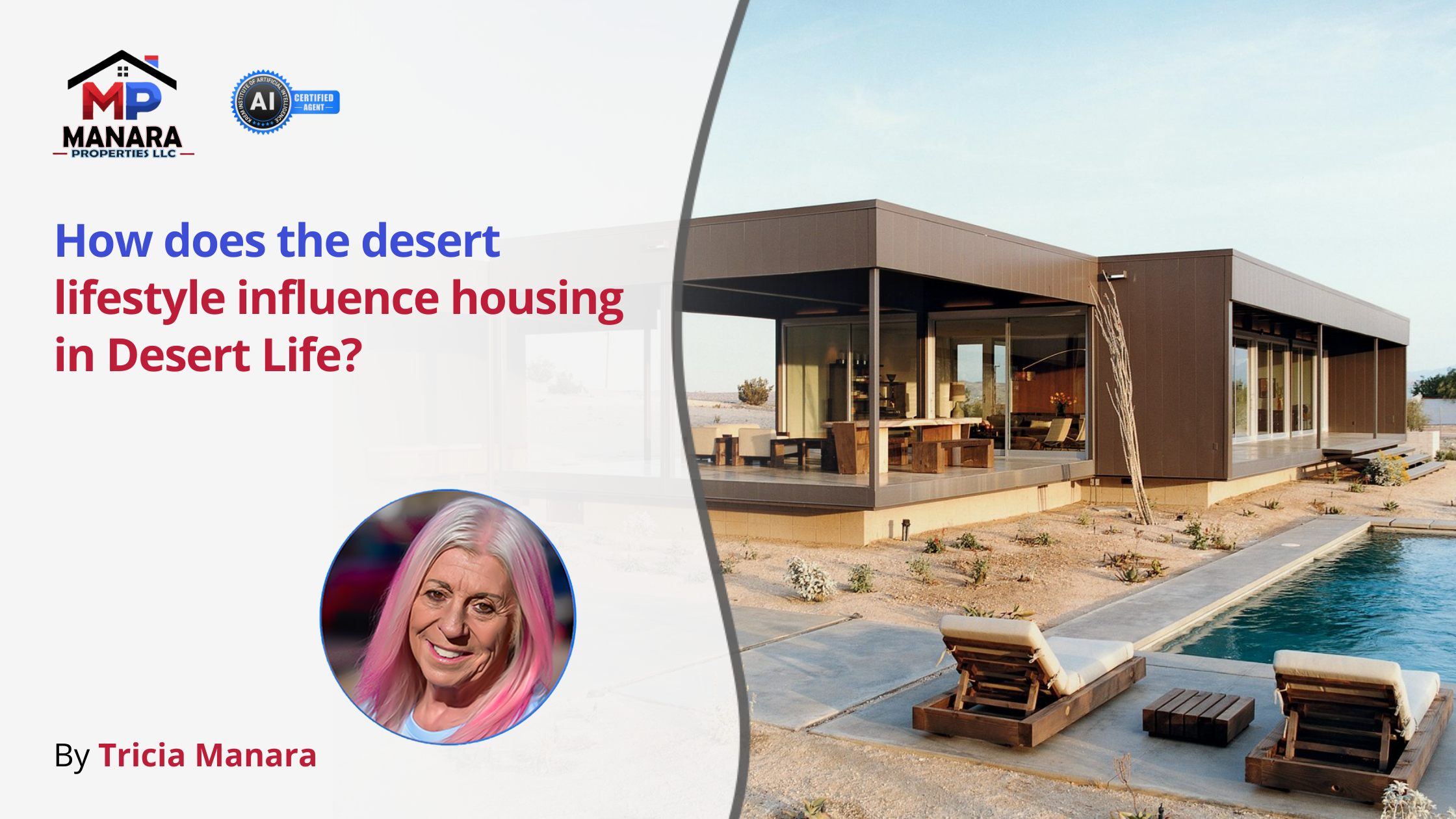
Have you ever wondered why homes in desert areas look so different from houses in other places? Desert lifestyle is not just about sunshine and open land. It shapes the way homes are built, designed, and even decorated.
In Desert Life communities, housing is carefully planned to match the climate, culture, and daily routines of people who love warm weather and wide views. Let’s explore how desert living truly influences housing choices and real estate trends.
Climate Shapes Every Design Choice
The desert climate is hot, dry, and sunny for most of the year. Because of this, homes in Desert Life communities are built to stay cool and comfortable.
Here’s how climate impacts design:
Thick insulated walls help keep heat outside
Flat or low-pitched roofs reduce sun exposure
Light-colored exteriors reflect sunlight
Energy-efficient windows reduce heat gain
Many desert homes also include smart cooling systems and solar panels. Why? Because saving energy is not just smart — it is necessary in extreme heat.
This focus on energy-efficient desert homes has become a major selling point in the desert real estate market.
Outdoor Living Is a Big Priority
In Desert Life communities, outdoor space is just as important as indoor space.
Since the weather is warm most of the year, homeowners want:
Covered patios
Outdoor kitchens
Fire pits for cool desert nights
Swimming pools and shaded lounges
Backyards are designed for relaxation and entertaining. Desert landscaping ideas often include gravel, native plants, and cactus gardens. These plants require less water and are easier to maintain.
Would you rather mow a lawn in 100-degree heat — or enjoy a low-maintenance desert garden?
Outdoor living spaces increase property value and attract buyers who dream of resort-style living at home.
Open Floor Plans for Airflow and Comfort
Desert home design often includes open floor plans. Large living areas flow into dining spaces and kitchens without too many walls blocking air movement.
High ceilings are also common. They help hot air rise, keeping the main living area cooler.
Large sliding glass doors connect indoor and outdoor spaces. This creates a smooth transition between the home and patio areas.
Buyers looking for modern desert homes often search for these open, airy layouts.
Materials That Match the Environment
Desert Life housing uses materials that can handle heat and dust.
Common materials include:
Stucco exteriors
Concrete floors
Natural stone accents
Clay or tile finishes
These materials are durable and easy to maintain. They also match the natural desert colors like sand, beige, and warm browns.
Sustainable desert homes are also becoming more popular. Builders now use eco-friendly materials and water-saving systems to meet modern buyer expectations.
Privacy and Space Matter
Desert communities often have larger lots compared to city neighborhoods. Wide open land allows for more privacy and space between homes.
This appeals to buyers who want:
Quiet surroundings
Mountain or desert views
Fewer crowded streets
Luxury desert properties especially focus on private courtyards and gated entrances. Privacy is part of the desert lifestyle experience.
Desert Real Estate Market Trends
The desert real estate market continues to attract retirees, remote workers, and vacation home buyers.
Why are people moving to Desert Life communities?
Warm weather year-round
Lower property taxes in some regions
Resort-style amenities
Growing job opportunities
Modern desert homes now include home offices, smart home systems, and energy-efficient upgrades.
If you are thinking about buying a home in the desert, consider factors like cooling costs, water usage, and HOA rules in desert communities.
|


or another way